
I started running 10 years ago and since then the design of running shoes has been constantly evolving. Running shoes then were ‘over built’, with multiple layers on the sole, cushioning, inner arch support for comfort and even springs at various strategic points. All in the belief that it would give an additional propulsion.
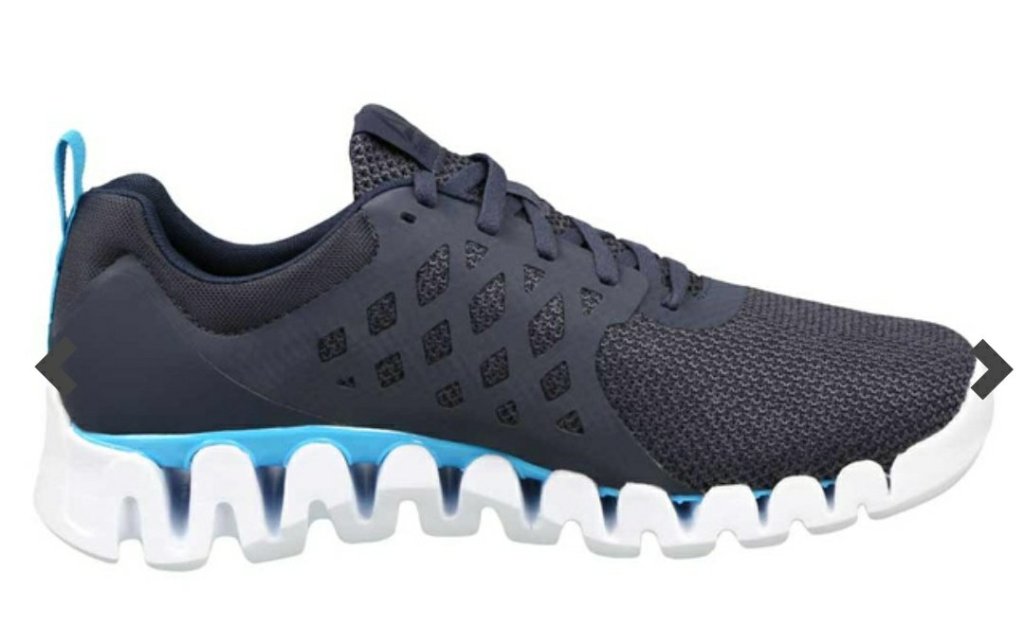
One of the first running shoes I bought had a thick sole with large corrugations, imaginatively named ‘zig tac’. The arches of these corrugations theoretically bent backwards when the foot takes a forward step then spring back giving and extra propulsion forwards. This happened, at least in theory and supposedly tested by the company.
I remember reading long time ago a study on human feet and the conclusion they reached after the study was that people who walked barefooted had the healthiest feet. Even in running long distances, barefoot running is supposed to be 30% more efficient. The reason being that the feet can feel the ground while running and adapt it’s shape according to the terrain. All will remember that the legendary Milkha Singh ran barefooted, more because he could not afford shoes. Celebrity marathon runner Milind Soman also runs barefooted and only wears shoes in races, where it’s compulsory to wear shoes.
These days in marathons, I see a lot of people running barefooted. In the 2018, Tata Mumbai Marathon one young girl I noticed, ran so lightly on her bare feet. She overtook me effortlessly and she reminded me of a deer springing away.
My mother was extremely particular that our feet were shod, all the time. At home we wore chappals and outside of course shoes. So leave alone running I had never walked barefoot.
The human foot consist of 26 bones and 33 joints and is divided into the forefoot, mid foot and hind foot or heel. The bones in the mid foot form the medial, lateral and transverse arches of the foot. These arches are important during running to give a forward propulsion by expanding and retracting. I unfortunately suffer from pes planus or flat feet where the medial and the transverse arches have collapsed. I realized when I started running that the joints in my feet had stiffened, decreasing the flexibility of my foot. As a result when I ran, the entire surface of the foot would strike the ground, rather than the ideal forefoot and heel strike. That resulted in the force being directly transmitted to the knee. As apposed to forefoot heel strike where the force is dissipated over the forefoot and mid foot, lowering the impact on the knees.
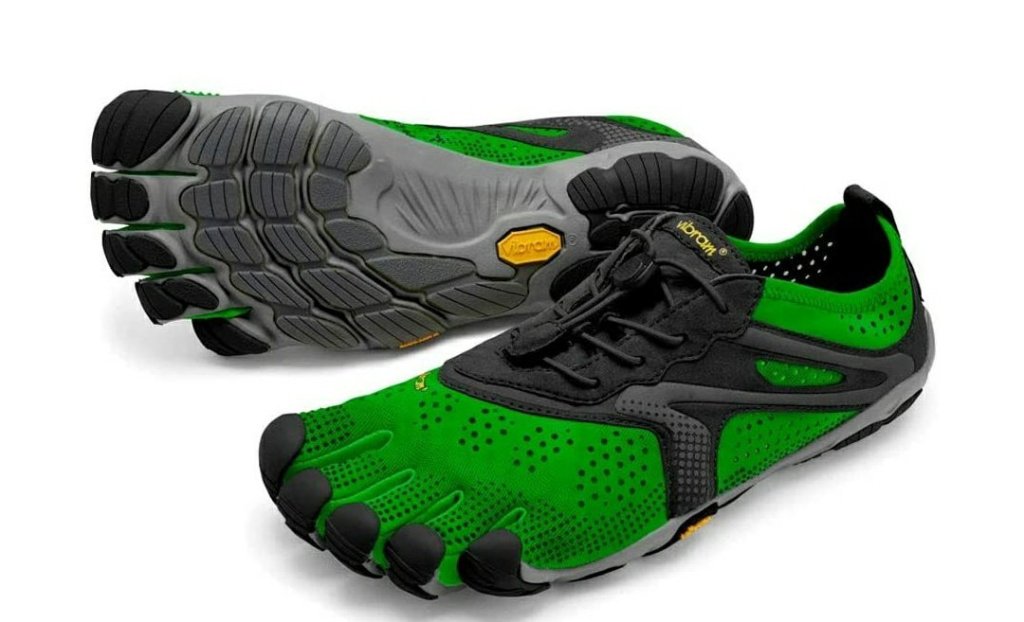
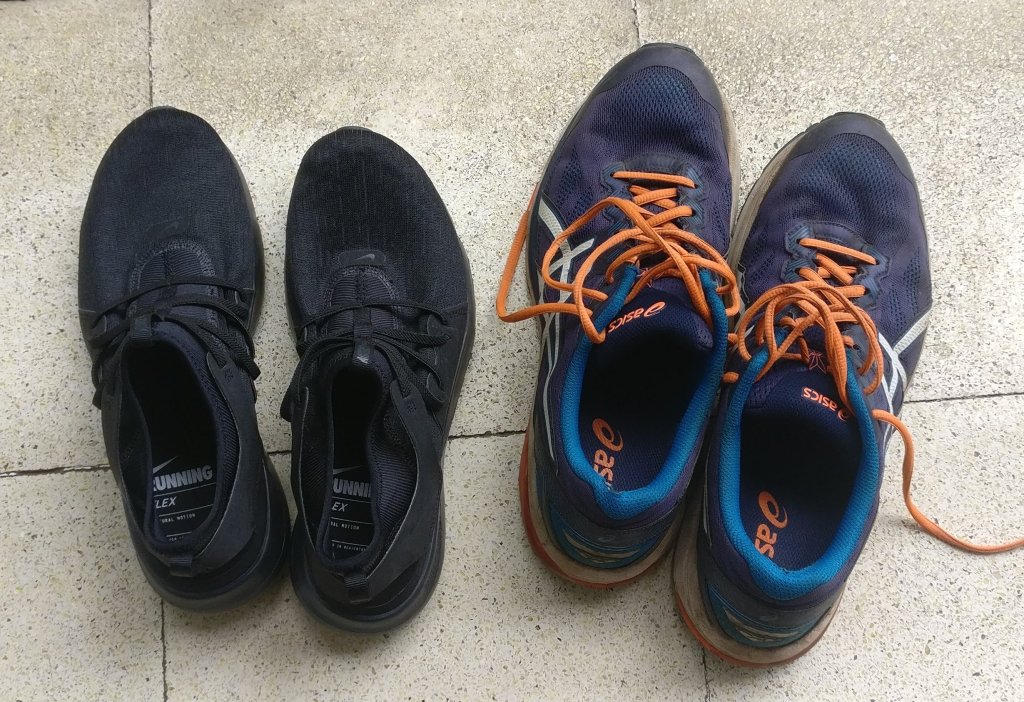
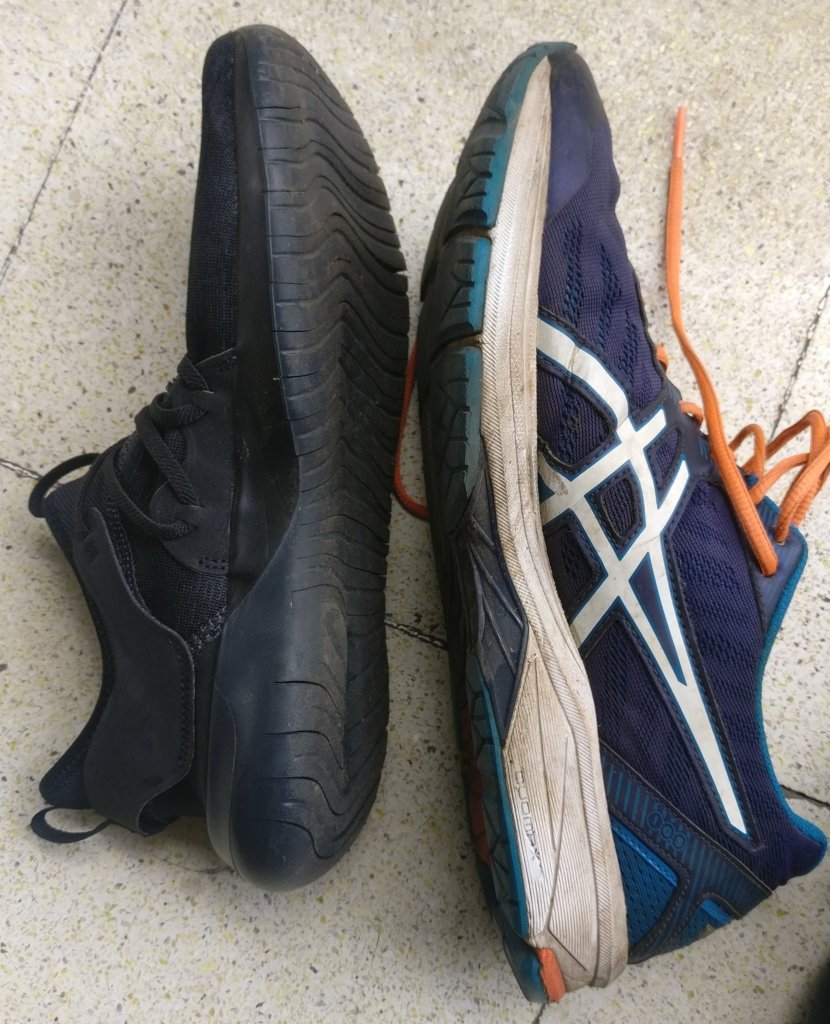
Now the trend in running shoes is towards minimalistic, the extreme example is Vibram shoes which fit the foot like a glove and have spaces for the toes. These would next best to running bare footed. But there are shoes with thinner and more flexible soles. I recently bought a pair online which are lace less and have a stretchable knitted upper. It has to be worn like a sock. I was surprised that my pace improved and I found running easier. Maybe psychological!
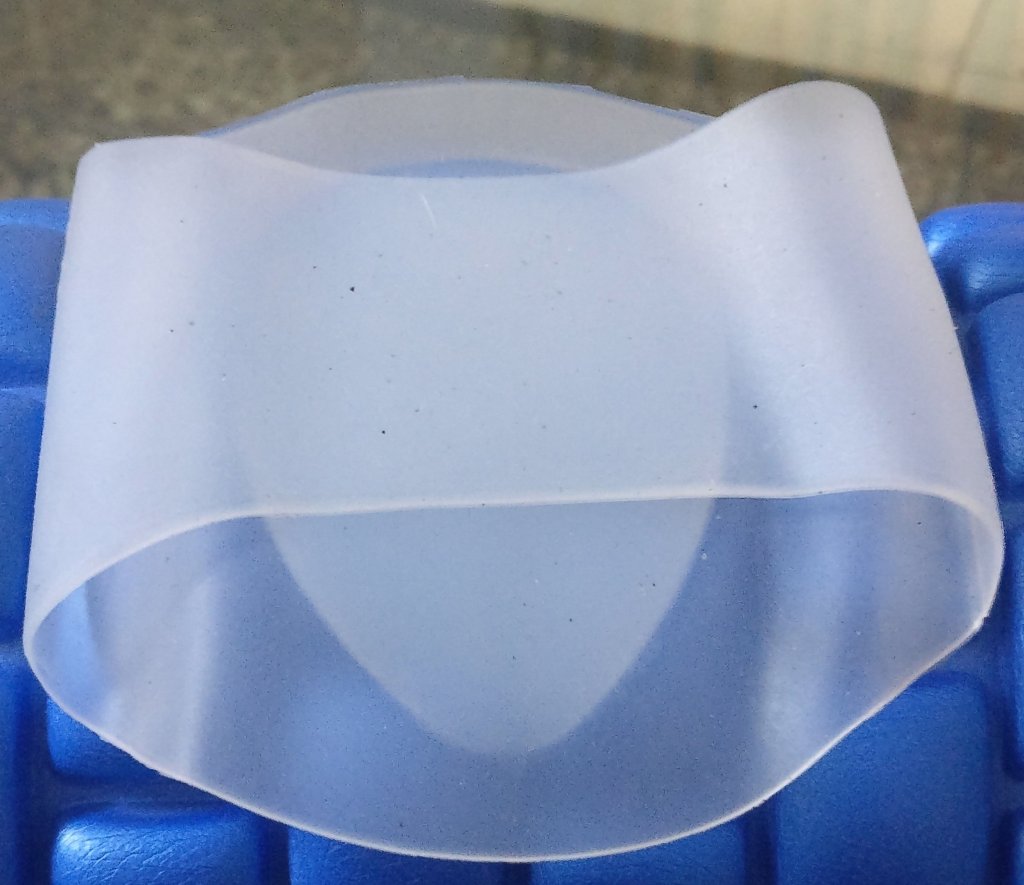
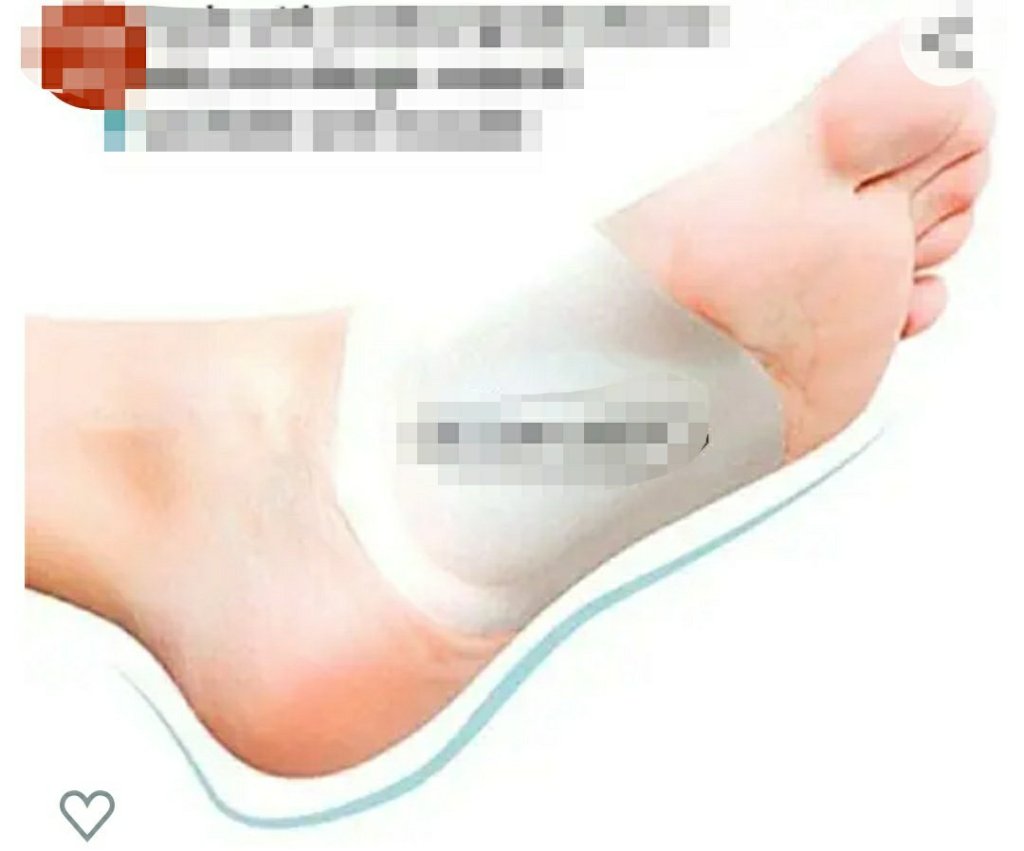
Earlier I invested in shoes which were supposed to prevent over pronation of the foot or the foot turning inwards which people with flat feet tend to do. I also wore a silicone arch support in belief that it would improve my plantar fascitis. I have pain on the sole of my left foot and swelling on the medial side of the left ankle joint since the last 6 years. Neither non pronation nor the arch support seemed to have made a big difference. I’d be limping on getting up in the mornings. The solution came on youtube and my own common sense. Every night I soak my feet in warm water with Epsom’s salt or magnesium sulphate. Followed by icing with an ice bag and stretching of the fascia with a foot roller.


Surprisingly this regime has worked like a miracle and the symptoms are almost 90% less.
 Raju Wilkinson's Blog